

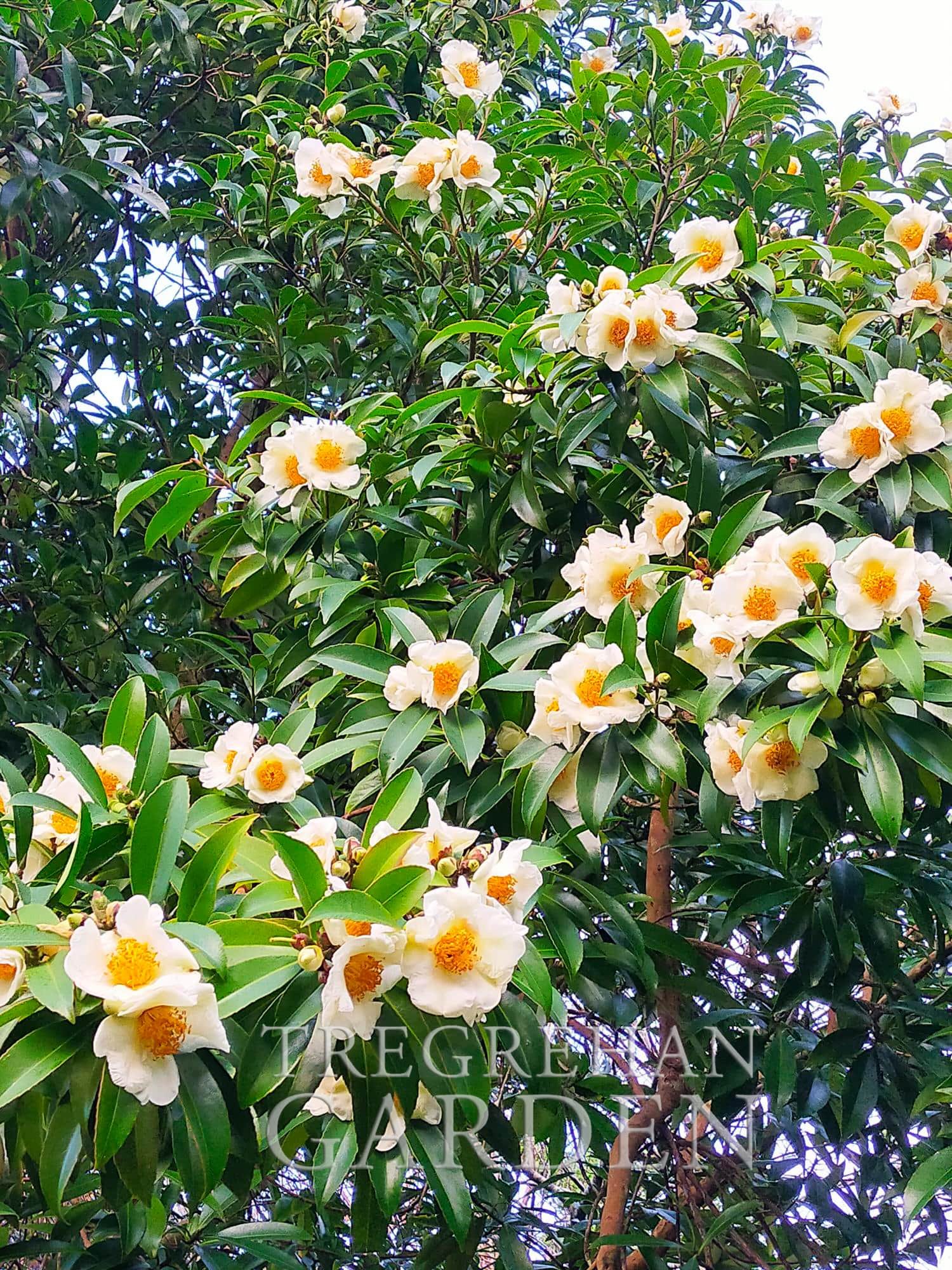
In a mild winter such as this one the Polyspora spp. are the standout plants in the woodland during January. This image is of P. longicarpa which originates from Vietnam and is now large enough to make a real impact from a distance. Best grown in full sun in Cornwall with shelter from prevailing westerly winds where the display can be spectacular. There are also a couple of older trees from Yunnan in China at Tregrehan growing in more shade where the bud set isn’t as prolific, and these have even larger flowers at least as large as a decent fried egg. These first plantings were originally put in the mildest parts of the garden where I thought they had the best chance of surviving. But none have been lost to cold in 25 years and if there is a freezing spell the open flowers behave themselves by dropping cleanly. And as there is a succession of buds, (which is illustrated in this image), the display is soon cranked up again. The whole uplifting show lasts for well over a month in the gloomiest part of the year. There is a faint pollen scent to the flowers on a warm sunny day which attracts early pollinators. In the mid elevation evergreen forests of SE Asia these trees can grow large and form canopies in the wetter valleys, an amazing sight not to be forgotten in the late autumn/early winter.
Ancient Sweet Chestnut Tree Reborn
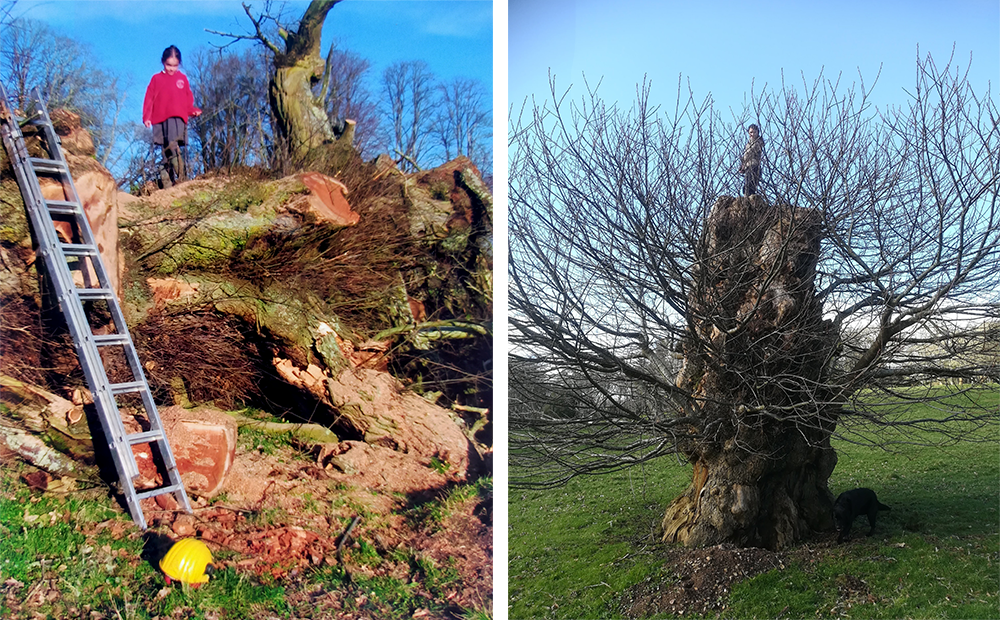
It was a sad day when one of the oldest trees in the park fell over in 2006. A behemoth of a trunk lay cast exposing a feeble root plate supporting not much of a canopy. It was in its last retrenching phase of life. Having survived for over 400 years and of huge importance with a bewildering array of invertebrates, lichens and fungi we were all keen to try and do something to keep the old fulla going. On close inspection I thought there may be hope if the top two-thirds of the tree was cut off, and the remaining trunk with remnant roots up-righted. Frank Tregunna with digger was quickly on hand to excavate a suitable hole and help to lift the bole back into an upright position. Now, 15 years later the tree has made a great recovery due to the ability of this species to regrow from epicormic shoots on the trunk. It makes a great conversation piece when viewed from the drive which after all is what objects in the park are all about.
Plant by plant
This heading coined by my mother refers to the pace of looking at a garden properly. My father and I would hesitate or grind to a halt beside each plant for varying amounts of time, depending on how much attention or discussion was required. The image here is of Eucryphia wilkiei in fruit today, which would have required much stoppage and thought to inspect properly. It is the first time this has fruited here, not many seed inside, a few in each for a total of about 12 seeds. Received from the National Collection holders in Co. Down at Seaforde, a wonderful garden restored by Patrick Forde.
Reported to grow to only 4-5 metres in Queensland Australia, this plant has already reached 3m and flowers regularly. It survived the “Beast from the East” with no damage so could eventually prove to be a winner for smallish gardens in mild locations. I’ve never been able to root any cuttings and with the garden gene pool of one clone hopefully the seeds will work and enable a small population to become established of this rare small tree.

Eucryphia wilkiei
A new beginning at Tregrehan
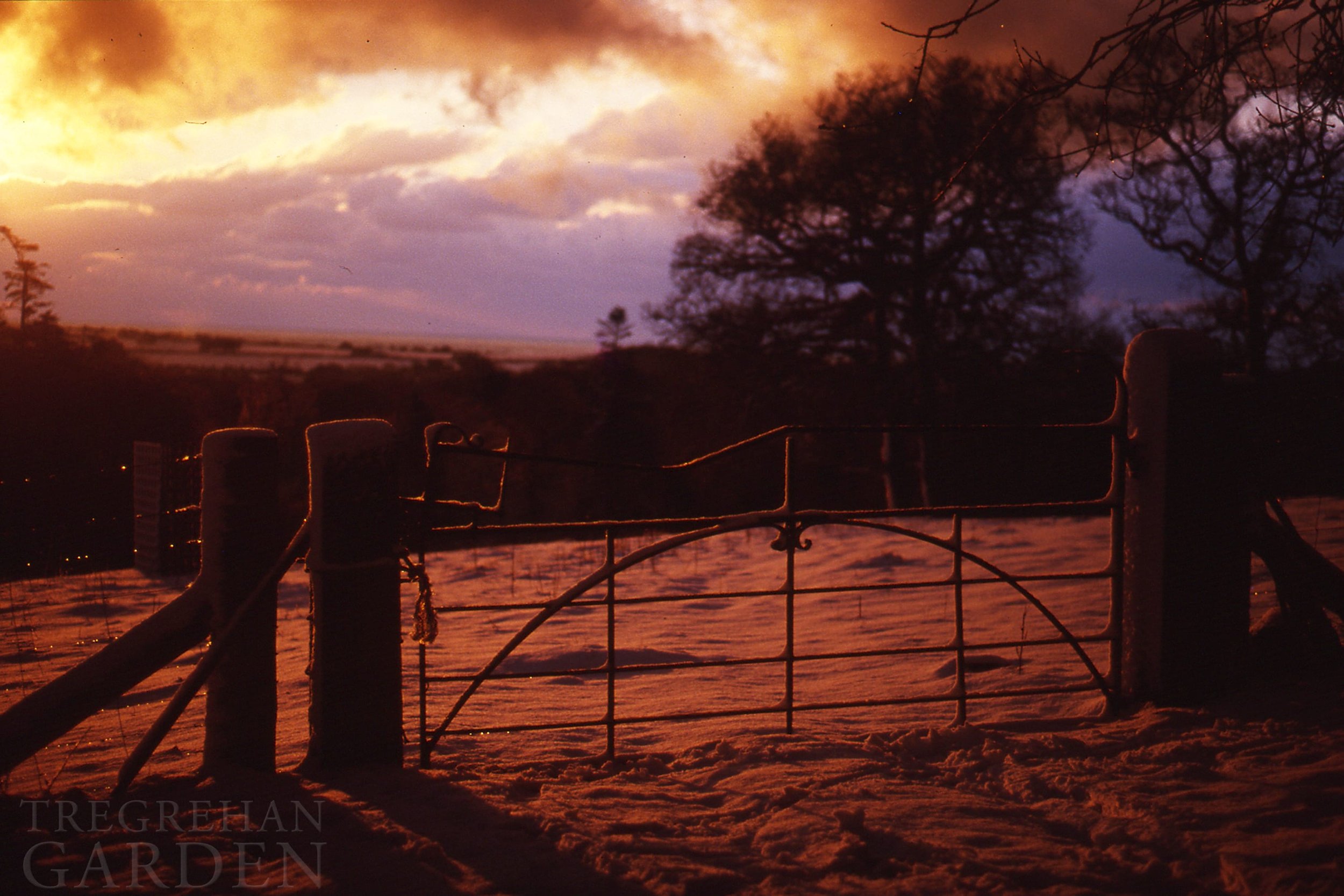
I have been wondering about sharing a few scenes and botanical events at Tregrehan for a while now. Winter seems like a good time to start this occasional blog with a freezing dawn parkland scene from a few years ago. A blog is an easily understood way for me to enter the 21st-century world of communications in a gentle manner. Opening the garden has been rather sporadic the last couple of years so this new dawn will hopefully interest people and show some of the events which visitors may have missed.
T.H. January 2022
Quisque iaculis facilisis lacinia. Mauris euismod pellentesque tellus sit amet mollis.